Skin Conditions

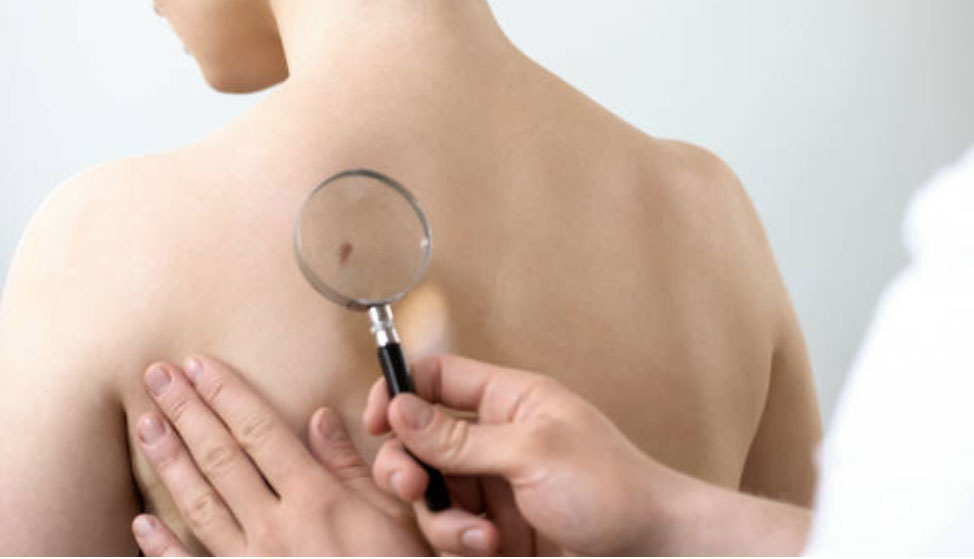
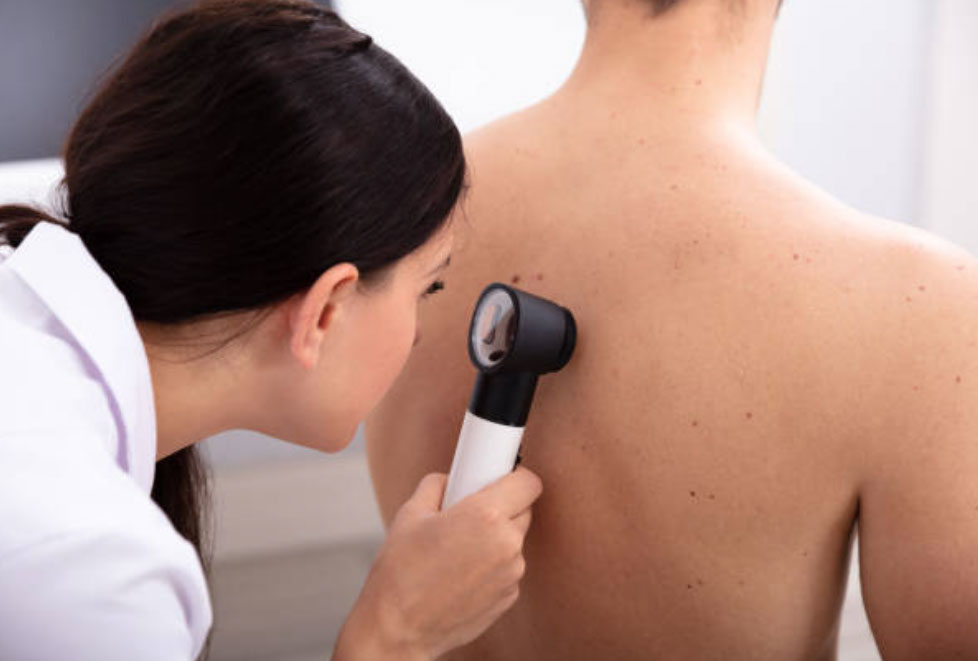
A skin check usually takes a few minutes, but that short time spent in your provider’s office could add years to your life if skin cancer is detected early. Unfortunately, without rigorously set national guidelines regarding skin screening, the population receives skin screenings depending on their risk factors. It’s important for you to be familiar with your skin and you should let your provider know if you notice any changes like suspicious moles or spots. People with higher risk of skin cancer are:

  • Individuals with family history of melanoma
  • Individuals with personal history of non-melanoma skin cancers
  • Individuals over the age of 65
  • People who burn easily
  • People with light-colored eyes and light-colored hair

Acne is a life-long battle for some patients. Samira has a special interest in acne management and has been able to help many patients regain their healthy skin and confidence with her specialized and individualized acne treatment. Her approach includes oral medications, topical medications, facial treatments, and light therapy. The combination of these and the stepwise approach is different for each patient and depends on their progress and skin response.

Acne scars

If your acne is controlled but you are left with scars, we have a great solution for you. We use a combination of procedures to help remove the scars permanently.

Eczema is a chronic condition that is characterized by red inflamed patches on the skin that are extremely itchy. These patches are often found on skin creases, such as in the armpits and behind the knees, although they can be found nearly anywhere on the body.

Common triggers to eczema include soaps, bubble bath products, fabric conditioners, biologic laundry detergents, house mite allergies, synthetic materials, being too hot or too cold, food allergies, scratching, pet dander, pollen, mold, and hormonal changes such as pregnancy and menstruation.
Eczema is not treatable, but it is controllable. It takes a detailed plan and a comprehensive review of your lifestyle to help you gain permanent relief from eczema. We will walk you through the plan and help you understand how to avoid eczema flare-ups forever.
Skin Conditions

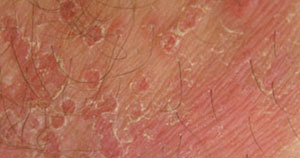
Fungal infections can affect virtually any part of the body, such as the skin, hair, nails, oral cavity, genital area, body organs, etc. Hot and humid climates, diabetes, poor immunity, malnourishment, and prolonged use of antibiotics are some of the factors which are responsible for these fungal infections. Prompt medical treatment helps to cure these infections completely.
Skin Conditions

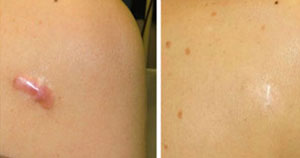
Keloids are big scars that grow excessively over the injured area of the skin. Whenever our skin is injured, fibrous tissue called scar tissue starts forming around the injured area to protect the skin and speed up the repair process. But at times, this scar tissue starts increasing in size and forms a smooth growth called a keloid. Although keloid scars are not limited to any specific parts of the body, they are usually observed in the chest area, cheeks, shoulders, and earlobes.

Although keloids don’t require any medical treatment, it is advisable to consult a provider if the growth continues for a long time as it might be a sign of cancer. Also, keloids are a cause of discomfort and getting it removed might be an ideal choice for some people. Some common methods of keloid treatment are:

  • Corticosteroid injections
  • Steroid impregnated tapes for several hours
  • Silicone gel sheet
  • Laser treatment
  • Surgical excision

Skin Conditions

A discoloration marked by brown spots and uneven pigmentation – commonly found on the face. Melasma can easily be treated and eradicated. Not gonna lie! It’s a long process. But it’s rewarding. Start today and you will have your best skin in a few months.

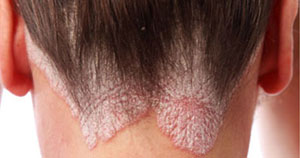
Psoriasis is complicated. It is very important to diagnose psoriasis in early stages. But if you lost time, we can provide you with an aggressive approach to control your psoriasis and heal the plaques and lesions.

We provide oral medications, topicals, and biologics based on your needs and stage of your disease.
Skin Conditions

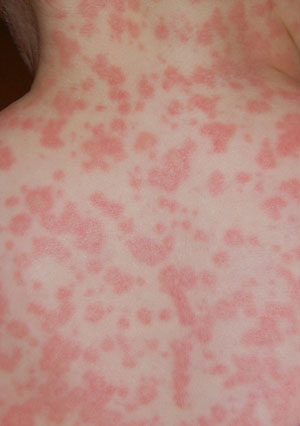
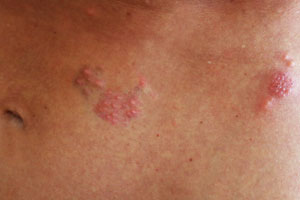
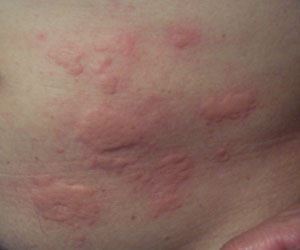
A skin rash can be a simple reaction to allergens in the environment, irritants, or a bacterial infection. Skin rash symptoms vary depending on the type and cause. It is important to receive the correct diagnosis for your skin rashes to be able to address the underlying cause properly and effectively.
Skin Conditions
Rash Credit CC BY-SA 3.0

Skin Conditions
Amoxicillin Rash Credit CC BY-SA 4.0

Skin Conditions
Shingles Rash Credit CC BY 2.0

Rosacea is a condition that flares up when facial flushing is triggered. Anything that causes blushing, including sunlight, wind, cold, food triggers, emotional stress, and alcohol can contribute to a reoccurrence of the redness and pimples common in sufferers. Some medications, including topical steroids, stimulants, and even some antibiotics can trigger a flare up.

Rosacea is a skin condition that is generally considered harmless, although those with it often suffer social and emotional difficulties such as a loss of self-esteem, self-confidence, and depression.

Annual skin cancer screening is a vital aspect of skin care. Early diagnosis will help you to eradicate and limit your future lesions and stay alert and feel taken care of. We take skin care serious and document skin changes and body maps carefully to make sure all changes are considered and studied. We compare body maps at every screening visit and update them to show the latest changes on your skin.

Basal cell carcinoma, melanomas, and squamous cell carcinomas are the main diagnosed cancerous lesions. Diagnosing these lesions early and treating them is supplemental to your skin health.
Vitiligo is a chronic (long-lasting) autoimmune disorder that causes patches of skin to lose pigment or color. This happens when melanocytes – skin cells that make pigment – are attacked and destroyed, causing the skin to turn a milky-white color.
Skin Conditions
Credit CC BY-SA 4.0

Skin Procedures

The majority of our skin procedures are billable to insurance. In case of an exception, we will provide you with upfront pricing before each procedure.

Skin Conditions

Skin Conditions

Skin Conditions

Age spots, also known as liver spots or solar lentigos, are flat, oval, and tan, brown, or black marks that appear on the skin as a result of aging and sun exposure. They are most common in people with fair complexions, but people with darker skin can also get them. Age spots can develop at any age, but are more common in older people.

Age spot treatments include:

  • Medications – Topical creams can help reduce the age spots and gradually fade the spots over several months.
  • Laser and intense pulsed light – Some laser and intense pulsed light therapies destroy melanin-producing cells (melanocytes) without damaging the skin’s surface. These approaches typically require two to three sessions. Wounding (ablative) lasers remove the top layer of skin (epidermis).
  • Freezing (cryotherapy) – This procedure treats the spot by using a cotton-tipped swab to apply liquid nitrogen for five seconds or less. This destroys the extra pigment. As the area heals, the skin appears lighter.
  • Dermabrasion – Dermabrasion sands down the surface layer of skin with a rapidly rotating brush. New skin grows in its place. You may need to undergo the procedure more than once. Possible side effects include temporary redness, scabbing and swelling. It may take several months for pinkness to fade.
  • Microdermabrasion – Microdermabrasion is a less aggressive approach than dermabrasion. It leaves mild skin blemishes with a smoother appearance. You’ll need a series of procedures over months to get modest, temporary results. You may notice a slight redness or stinging sensation on the treated areas. If you have rosacea or tiny red veins on your face, this technique could make the condition worse.
  • Chemical peel – This method involves applying a chemical solution to the skin to remove the top layers. New, smoother skin forms to take its place. Possible side effects include scarring, infection, and lightening or darkening of skin color. Redness lasts up to several weeks.

A boil is a painful, pus-filled bump that forms under your skin when bacteria infect and inflame one or more of your hair follicles.

Most boils are caused by staph bacteria (Staphylococcus aureus), which many healthy people carry on their skin or in their noses without a problem. When a scrape, cut, or splinter breaks the skin, the bacteria can enter a hair follicle and start an infection. Others boils, such as those associated with acne, develop from clogged pores that become infected.

As soon as you have developed a boil or feel a cyst under your skin, you should consult a provider. We provide same-day checkups and take necessary measures to make sure you are not exposed to permanent skin damage, scars, and infection.

Electrodesiccation and curettage (ED&C) is a medical procedure that removes benign skin lesions and treats some types of skin cancer.

In this treatment, the provider first injects a medicine to numb the area. Then the skin tumor is removed by scraping it with a long, thin instrument with a sharp looped edge on one end (called a curette). The area is then treated with an electric needle (electrode) to destroy any remaining cancer cells. This process is often repeated once or twice during the same office visit.

Curettage and electrodesiccation is a good treatment for superficial (confined to the top layer of skin) basal cell and squamous cell cancers, as well as some pre-cancerous skin tumors.

If you have infected areas on your skin or blisters that occasionally open and bleed, you may have a serious bacterial infection. Internal infections can cause sepsis, which is one one the main causes of death secondary to infection. At our clinic, we provide same-day I&D and we test the drainage to treat you with the correct type of antibiotics.

IKL is a treatment that involves injecting a steroid, like Kenalog (triamcinolone acetonide), into the skin to reduce inflammation. This treatment has been used since 1961 to treat a number of skin conditions, including: acne cysts, keloids or hypertrophic scarring, alopecia areata, psoriasis, and chronic forms of eczema.

Laser hair reduction is a popular and effective method of removing unwanted hair from various areas of the body using concentrated beams of light. The process involves targeting the hair follicles with a laser, which damages them and inhibits their ability to produce hair. This leads to a gradual reduction in hair growth over time. Laser hair reduction is considered a semi-permanent hair reduction solution, as it can provide long-lasting results with the possibility of some hair regrowth over the years.

We use different techniques to remove your unwanted hair:

SHR
Super Hair Reduction (SHR) procedures use selected wavelengths of low-energy light, which are rapidly pulsed into the skin at 180 times per minute. Target hair follicles are gently heated during this process and terminally damaged. In short, that prevents any re-growth of the hair.

The procedures are relatively quick. The applicator is swept back and forth repeatedly across the designated area whilst the low energy light is pulsed into the skin, ensuring full coverage.

How long does Super Hair Reduction (SHR) take to work?
Results are instant. However, as each Super Hair Reduction (SHR) treatment affects only approximately 20% of the target hair, repeat sessions will be required.

What is the downtime with Super Hair Reduction (SHR)?
There is usually no downtime with Super Hair Reduction (SHR). You can return to work straight after treatment.

Does Super Hair Reduction (SHR) hurt?
Unlike traditional laser and IPL (intense pulsed light) treatments, which use high energy levels that may cause discomfort and pain, SHR treatments are mild and comfortable, resulting in a pleasant warming of the skin. The applicator also has built-in cooling functionality, too, ensuring that you’ll experience comfort even in the most sensitive of areas.

How many treatments are needed with Super Hair Reduction (SHR)?
Each hair reduction treatment affects around 20-50% of the hair within the targeted area. We recommend an average of 3-6 sessions depending on the hair regrowth time, which varies in different areas of the body.

How Laser Hair Reduction Works
The laser is absorbed by the pigment (melanin) present in the hair follicles, effectively destroying them while leaving the surrounding skin unharmed. This process is more effective on dark, coarse hair because the laser can easily target the dark pigment.

It’s essential to note that multiple sessions are typically required to achieve the best results, as hair grows in different phases, and the laser is only effective on actively growing hairs. The exact number of sessions needed depends on various factors, such as the treated area, hair thickness, and individual response to the treatment.

Benefits of Laser Hair Reduction for skin and face / body

  • Long-lasting results: Laser hair reduction provides longer-lasting results compared to traditional hair reduction methods like shaving, waxing, or using depilatory creams. With proper treatment and maintenance, many individuals experience permanent hair reduction.
  • Precision and speed: The laser’s ability to target specific hair follicles means that the surrounding skin remains largely unaffected. It allows for precise hair reduction in small areas or larger regions quickly.
  • Less ingrown hairs: Unlike traditional hair reduction methods, which can cause ingrown hairs, laser hair reduction reduces the likelihood of ingrown hairs since it targets the hair follicle directly.
  • Minimal discomfort: The procedure is generally well-tolerated by most individuals, and advancements in laser technology have made the process more comfortable over the years. Some people may experience mild discomfort, often described as a rubber band snapping against the skin, but it’s typically brief.
  • Versatility: Laser hair reduction can be performed on various body parts, including the face, legs, underarms, bikini area, chest, back, and more. This makes it suitable for both men and women who want to remove unwanted hair from different areas.
  • Saves time and money: While the upfront cost of laser hair reduction may seem higher than other hair reduction methods, it pays off in the long run. Since the results are long-lasting, individuals can save time and money that would otherwise be spent on frequent shaving, waxing, or other hair reduction treatments.
  • Improved skin quality: Laser hair reduction can also have a positive effect on the skin in treated areas. The process can help with issues like folliculitis (inflammation of hair follicles) and can leave the skin feeling smoother and softer.

Pre-treatment information

  • Avoid sun exposure and tanning beds for at least two weeks before treatment.
  • Wait at least 4 weeks after a spray tan.
  • Refrain from plucking or waxing the targeted area for six weeks prior.
  • Shave the area the night before or the day of the treatment.

Post-treatment information
Following the appointment, we ask that you avoid deodorants, sun exposure, as well as intense exercise and saunas for a couple of days. Other than that, there’s no downtime, and you’ll be able to resume your normal day-to-day life.

The rate of hair reduction is not the same for every patient.

Small Areas – $80/session or $200/3 sessions (a $240 value)
Examples:

  • Chin
  • Upper lip
  • Forehead

Medium Areas – $150/session or $400/3 sessions (a $450 value)
Examples:

  • Underarms
  • Back of neck
  • Front of neck
  • Jawline
  • Cheeks
  • Hands
  • Feet

Large Areas – $200/session or $550/3 sessions (a $600 value)
Examples:

  • Forearms
  • Upper arms
  • Lower legs
  • Upper legs
  • Chest
  • Stomach
  • Upper back
  • Lower back

If you have not done laser treatments previously, we will do a test patch one week prior to your appointment. The test patch costs $50, which will be credited toward your first treatment.

Lipomas are noncancerous, fatty lumps that grow between the skin and muscles and are usually harmless. They are often soft and rubbery, and you can usually move them by gently nudging them.

Most lipomas are removed surgically by cutting them out. Recurrences after removal are uncommon. Possible side effects are scarring and bruising. A technique known as minimal excision extraction may result in less scarring.

$90/session

Laser therapy for nail fungus is a treatment method that uses a focused laser beam to penetrate the nail and destroy the fungus responsible for the infection, offering a non-invasive way to target the fungal cells beneath the nail while minimizing damage to surrounding tissue. This treatment typically requires multiple sessions and results are visible as the new, healthy nail grows out, with most patients needing to wait several months to see full improvement.

A skin biopsy is a procedure that removes a small sample of skin from a lesion to help diagnose skin conditions, infections, or cancer. The sample is then sent to the pathology lab and examined under a microscope by a pathologist. Skin biopsies are performed by our provider in the clinic under local anesthetic. Pathology results are usually available in 4–10 days.

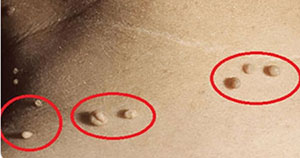
Skin tags (acrochordons) are small, noncancerous growths that tend to be the same color as your skin. They often look like a cluster of skin tissue extending out from a tiny stem. They’re sometimes darker and may resemble a raised mole. Most skin tags are between 1-5 mm, but some can grow as large as a few centimeters.

Depending on the size of the tags, we use different techniques to remove them.

Our wound care program includes providing advanced care for treating infections and assuring that underlying disease is well controlled.

You are a candidate for would care if you have:

  • Diabetic neuropathic ulcers
  • Infected wounds
  • Surgical wounds
  • Abscesses
  • Pressure ulcers

We offer wound care, testing, and medication management as needed to assure your proper wound healing.

Education on diet management is provided in each and every visit to assure your wound is healed properly and minimize future recurrent infections.

Return to our home page.